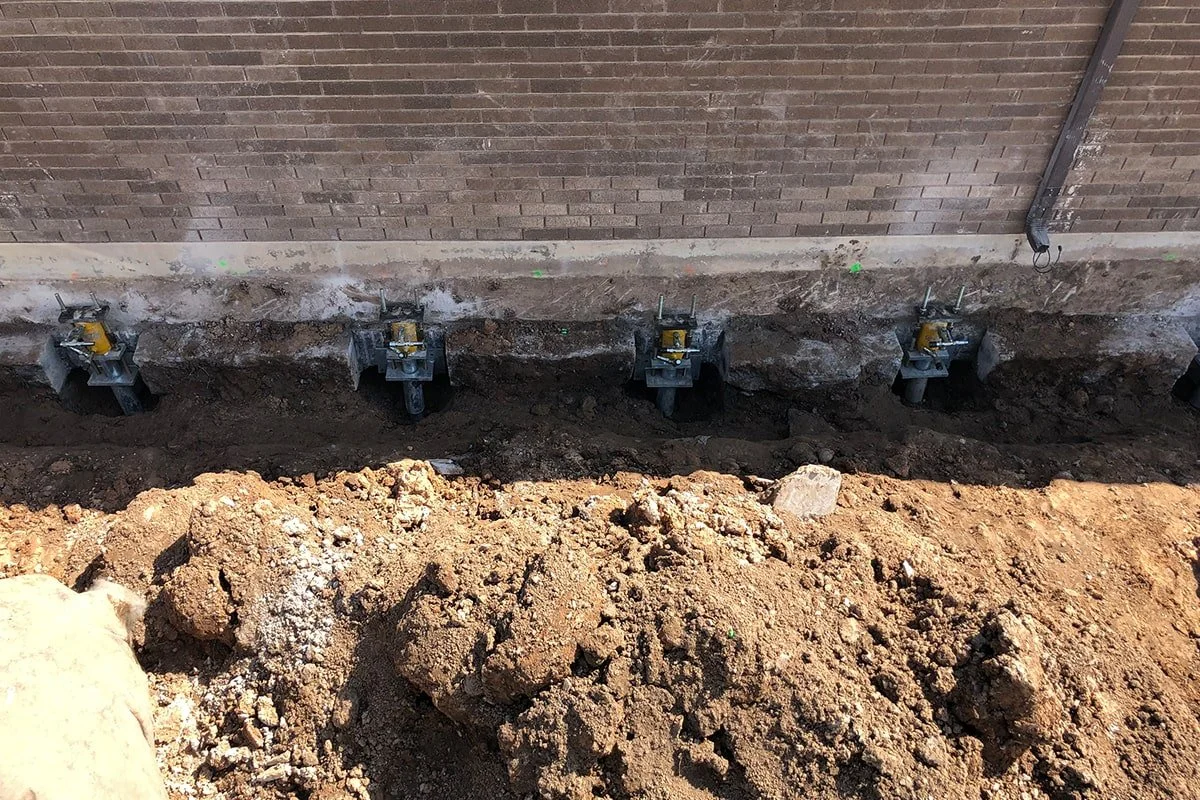
Adding helical piers to a pool construction budget can feel like an unwelcome surprise, an additional line item pool builders or excavation contractors recommend that homeowners don't always understand the actual necessity of. Understanding when helical piers are a genuine structural requirement versus when they're being oversold as an unnecessary precaution helps you evaluate this cost honestly rather than simply trusting or dismissing the recommendation without context.
What Helical Piers Actually Do
Helical piers are steel shafts with helical blades that are mechanically screwed deep into stable soil or bedrock beneath a pool's planned footprint, providing structural support that transfers the pool shell's load down to genuinely stable ground rather than relying entirely on the soil directly beneath the pool's excavated base.
Why DFW's Expansive Clay Soil Creates This Need
North Texas sits on expansive clay soil across much of the Metroplex, soil that swells significantly when saturated with moisture and contracts substantially during dry periods. This seasonal movement can shift and stress a pool shell that's relying solely on the soil directly beneath it for support, particularly on properties with more pronounced expansive clay characteristics or specific site conditions that increase this risk.
How to Know if Your Specific Site Needs Piers
Not every DFW property requires helical piers, and a reputable excavation contractor or pool builder should be able to explain the specific soil conditions on your property that inform this recommendation, rather than applying piers as a blanket, unexplained requirement across every project regardless of actual site-specific risk factors.
Signs a Property May Have Elevated Risk
Properties with a documented history of foundation movement on the home itself, properties in specific areas known for more severe expansive clay characteristics, or properties where a geotechnical assessment specifically identifies unstable subsurface conditions are more likely to genuinely benefit from helical pier installation than a property without these risk indicators.
Cost Comparison: Piers vs. Potential Future Repair
Helical pier installation adds meaningful upfront cost to a pool project, but the alternative, a pool shell that experiences cracking or structural movement due to inadequate foundation support, typically costs significantly more to repair after the fact, sometimes requiring extensive shell repair or, in severe cases, complete pool reconstruction.
Why This Decision Shouldn't Be Made Without Site-Specific Information
A responsible excavation contractor evaluates your specific property's soil conditions before recommending helical piers, rather than defaulting to a universal recommendation regardless of actual site risk, since genuinely low-risk properties don't need to absorb this additional cost unnecessarily.
Questions Worth Asking Before Committing to Pier Installation
Asking what specific soil or site condition is driving the pier recommendation, whether a geotechnical assessment was performed, and how the recommended pier depth and spacing were determined helps you understand whether this is a genuinely necessary structural decision or a less carefully considered blanket recommendation.
Why Proper Installation Matters as Much as the Decision Itself
If helical piers are genuinely warranted for your property, proper installation depth, torque verification confirming the pier has reached adequate bearing capacity, and correct spacing relative to your pool's specific design all matter significantly for the piers actually delivering the structural protection they're intended to provide.
Pacesetter Excavation evaluates helical pier need based on your DFW property's actual site conditions, providing honest guidance on whether this investment genuinely protects your specific pool project.

Not sure if your DFW property needs helical piers? Reach out to Pacesetter Excavation for an honest assessment.
Get Your Free, Itemized Quote → pacesetterexcavation.com/contact