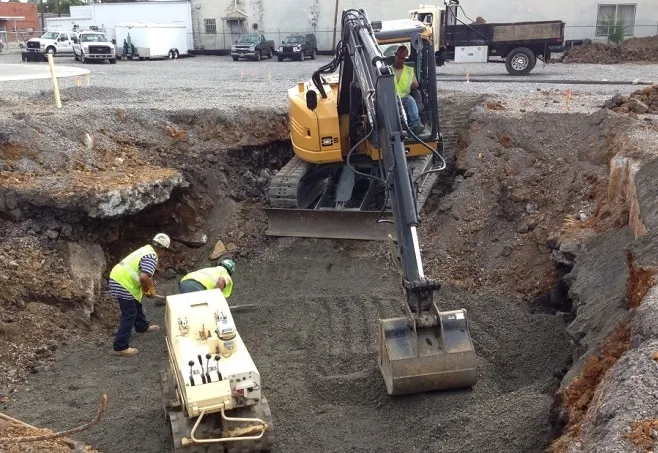
Excavation is one of the most important phases of any construction project — and also one of the easiest places for costly mistakes to occur. When excavation isn’t handled correctly, issues can show up immediately or years later in the form of settling, drainage problems, or structural damage.
Understanding common excavation mistakes helps homeowners and builders avoid unnecessary risks and protect their investment from the start.
One of the biggest excavation mistakes is starting work without fully evaluating the site. Soil conditions, slope, access, and drainage all affect how excavation should be performed.
Without a proper site evaluation, excavation crews may encounter:
Professional excavation contractors evaluate these factors before digging begins.
Soil plays a major role in excavation success. Ignoring soil type or moisture levels can lead to:
Experienced excavation contractors adjust their approach based on soil conditions and recommend solutions like compaction or helical pier installation when needed.
Improper grading is a common excavation mistake that leads to long-term issues. Poor drainage can cause water to collect around pools or foundations, increasing the risk of damage.
Professional excavation includes grading and drainage planning to protect structures and prevent water-related problems.
Choosing the lowest bid often leads to bigger problems down the road. Low-cost excavation crews may:
Hiring a professional excavation contractor ensures accuracy, safety, and long-term performance.
Compaction is critical after excavation, especially for pool removal or site preparation projects. Poor compaction can result in:
Proper compaction requires experience and the right equipment.
Excavation is often part of a larger construction process. When communication breaks down between excavation contractors and builders, mistakes happen.
Clear coordination ensures excavation work supports the next phase of construction.
Homeowners can reduce risk by:
Preparation and communication go a long way in preventing costly problems.
Professional excavation contractors follow structured processes designed to avoid common mistakes. Their experience helps:
Cutting corners during excavation often leads to higher costs later.

If you want your project done right from the start, Pacesetter Excavation provides professional excavation services focused on precision, safety, and long-term performance. Partner with Pacesetter Excavation to avoid common excavation mistakes and move forward with confidence.