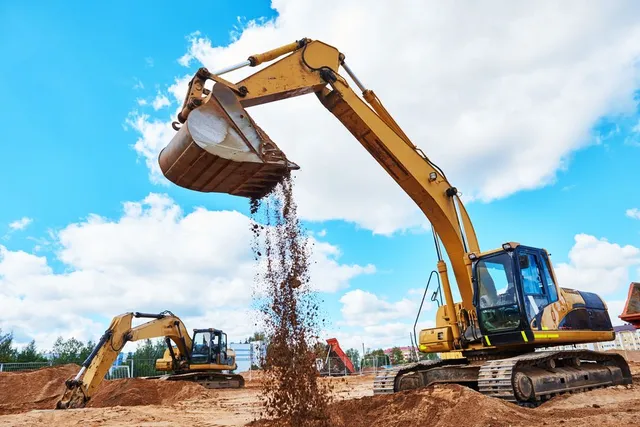
One of the most common questions homeowners ask before starting a project is, “How long will excavation take?” Whether you’re planning a pool, site preparation, or structural work, understanding the excavation timeline helps you plan ahead and avoid unnecessary stress.
While every project is different, most professional excavation jobs follow a clear process from start to finish. Knowing what to expect before, during, and after excavation helps ensure a smooth experience.
The excavation timeline starts well before equipment arrives on-site. Proper preparation sets the stage for efficient and accurate work.
Before excavation begins, a professional excavation contractor will typically:
This planning phase helps prevent delays and ensures the excavation is completed correctly the first time.
For most residential projects, active excavation is completed quickly and efficiently when handled by experienced professionals.
On excavation day, you can expect:
For pool excavation and site preparation projects, this phase often takes one to two days, depending on complexity and conditions.
Several factors can influence how long excavation takes, including:
An experienced excavation contractor accounts for these factors when providing a timeline and keeps communication clear throughout the process.
Once the digging is complete, the excavation timeline doesn’t end immediately. Final steps ensure the site is ready for the next phase of construction.
After excavation, contractors typically:
These finishing steps help ensure the project moves forward without issues.
A reliable excavation timeline helps homeowners and builders:
Professional excavation contractors prioritize communication and accuracy to keep timelines realistic and dependable.
Problems often arise when excavation is rushed or poorly planned. Common mistakes include:
Choosing a professional excavation contractor helps avoid these issues and keeps the timeline on track.
Homeowners can help ensure a smooth excavation timeline by:
Preparation helps excavation crews work efficiently and safely.

If you’re planning a project and want a clear, reliable excavation timeline, Pacesetter Excavation provides professional excavation services built on precision, communication, and efficiency. Work with Pacesetter Excavation to keep your project moving forward with confidence.