Before excavation begins, proper grading and drainage play a critical role in the success of any construction project. Water management issues are one of the most common causes of long-term damage to pools, foundations, and outdoor structures. Without correct grading and drainage, even well-built projects can fail over time.
Understanding how grading and drainage work together helps homeowners and builders protect their investment from costly problems.
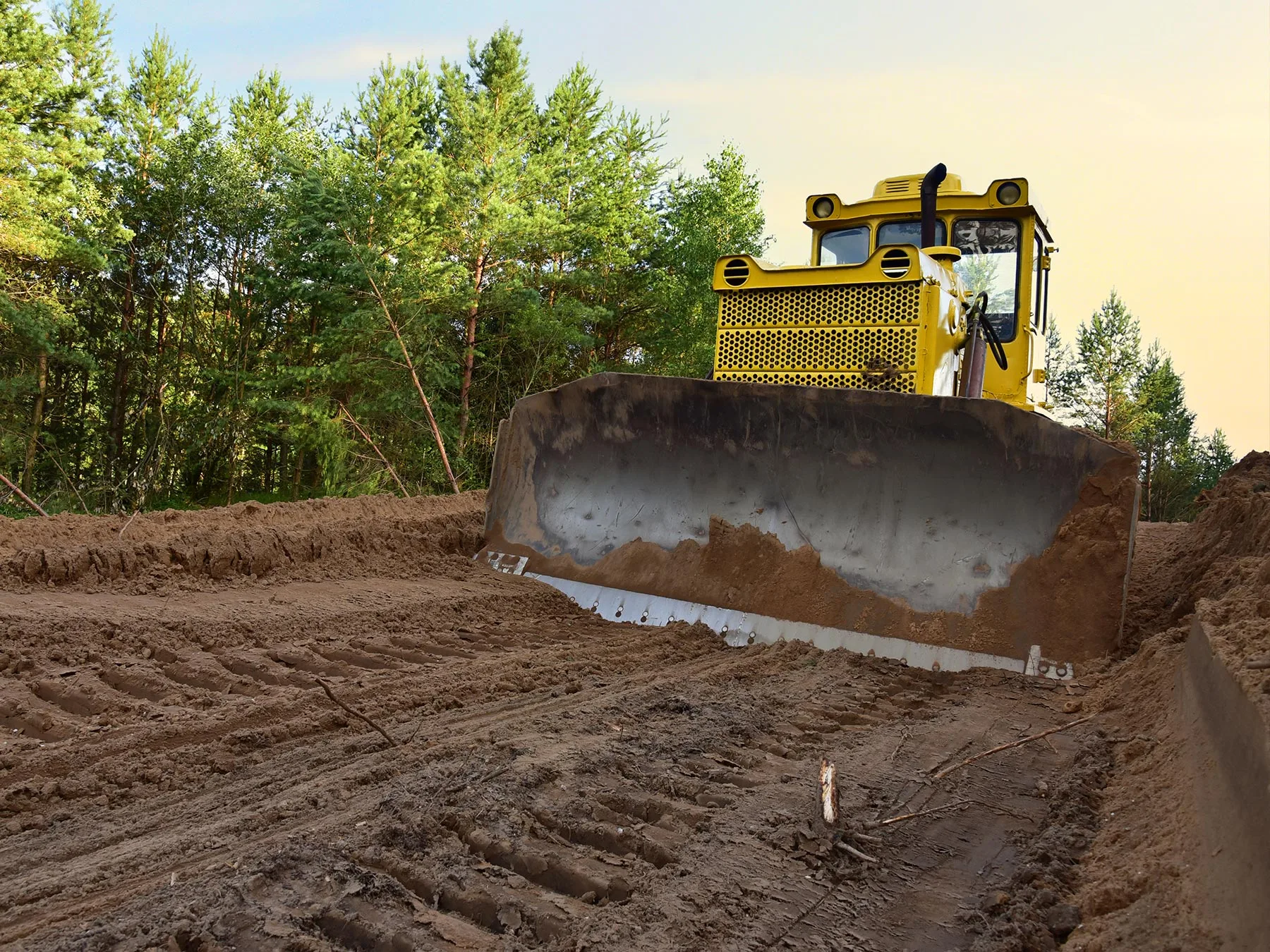
Grading is the process of shaping the land to create proper slopes and elevations. During excavation projects, grading ensures water flows away from structures rather than collecting around them.
Proper grading helps:
Professional excavation contractors incorporate grading as part of site preparation to ensure the land performs correctly.
Drainage controls how water moves across and through the soil. Poor drainage can lead to soil saturation, erosion, and structural movement.
Common drainage issues include:
Addressing drainage before excavation begins helps prevent these problems and ensures the project lasts.
Grading and drainage are closely connected. Grading directs water flow, while drainage systems manage how water is carried away from the site.
Together, they:
Ignoring either element can compromise the entire project.
Pools are especially vulnerable to water-related issues. Improper grading and drainage can cause water to collect around the pool shell, increasing the risk of movement or cracking.
Professional pool excavation projects often include:
These steps help ensure the pool remains stable over time.
Before excavation begins, it’s important to identify drainage concerns. Common warning signs include:
Addressing these issues early helps prevent future excavation or construction failures.
Experienced excavation contractors evaluate:
Based on this evaluation, they implement grading and drainage solutions tailored to the site.
Common mistakes include:
These shortcuts often lead to long-term damage and higher repair costs.
When grading and drainage are handled correctly, homeowners benefit from:
These benefits make grading and drainage a critical part of excavation planning.

If your project requires expert grading, drainage planning, or professional excavation services, Pacesetter Excavation delivers precision-driven solutions built for long-term success. Partner with Pacesetter Excavation to ensure your site is prepared the right way from the start.