If you've gotten more than one pool excavation quote in North Texas, you may have noticed the numbers don't always line up neatly with square footage or pool size alone. Two homeowners in the same general DFW area, with similarly sized pools planned, can end up with meaningfully different excavation costs, and soil conditions are almost always the reason. Understanding how rock and clay soil actually affect the excavation process helps you interpret a quote accurately rather than assuming a higher number automatically means you're being overcharged.
Why DFW's Soil Conditions Vary So Much Property to Property
North Texas sits on a genuinely inconsistent geological base. Some lots dig easily through standard clay soil the entire depth of a pool excavation. Others hit limestone shelf, caliche, or dense rock formations at a shallow depth, sometimes just a few feet down, requiring an entirely different excavation approach than a standard dig through soil alone.
How Clay-Only Excavation Typically Proceeds
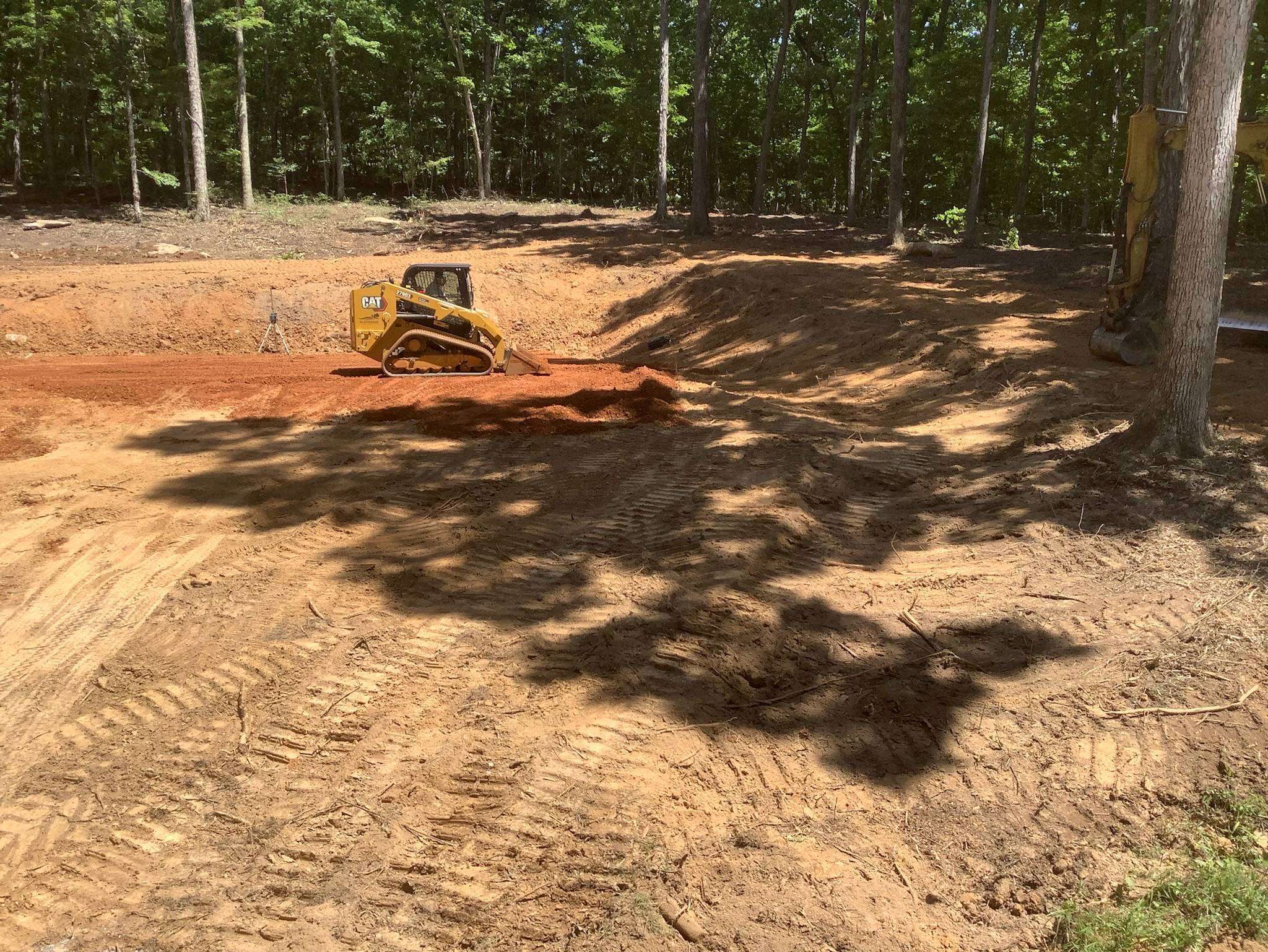
Standard clay soil excavation uses conventional excavator equipment to remove material at a predictable rate, with spoil hauled off site as digging progresses. This is the most straightforward, most cost-predictable excavation scenario, and it's what most preliminary cost estimates assume before an actual site assessment confirms ground conditions.
Why Rock Changes the Entire Excavation Approach
When excavation encounters limestone or dense rock formations, standard excavator buckets can't simply cut through the material the way they do with clay. This typically requires hydraulic rock hammer attachments, specialized equipment that breaks rock into manageable pieces before it can be excavated and removed, a slower, more labor and equipment-intensive process than straightforward clay removal.
Why This Isn't Always Predictable From the Surface
One of the more frustrating realities of DFW excavation is that rock conditions aren't always visible or predictable before digging actually begins. A lot can appear to be standard soil at the surface and hit a rock shelf partway through the planned excavation depth, which is why experienced excavation contractors build contingency language into their quotes for encountering rock, rather than guaranteeing a fixed price regardless of what's actually beneath the surface.
How Rock Encounters Affect Timeline
Beyond cost, hitting rock during excavation typically extends project timeline meaningfully compared to a straightforward clay dig, since rock hammer work simply takes longer per cubic yard removed than standard excavation. Homeowners working toward a specific pool completion timeline should understand this risk exists on any DFW property, even one that looks like a standard yard from the surface.
Why Transparent Rock Handling Policy Matters in a Quote
A properly written excavation quote should specify exactly how rock encounters are handled, whether that's a per-hour rock hammer rate, a defined threshold before additional charges apply, or another clearly documented approach, rather than leaving this as an ambiguous, undefined risk that only becomes clear once rock is actually encountered mid-project.
What This Means When Comparing Quotes
If you're comparing multiple excavation quotes and one is meaningfully lower than others, it's worth specifically asking how that contractor handles rock encounters, since an artificially low base quote that doesn't account for rock risk can turn into a significantly higher final cost if rock is hit and the contractor's change order pricing wasn't disclosed upfront.
Why Site Assessment Before Quoting Matters
Contractors who perform genuine site assessment, sometimes including test digging or reviewing geological survey data for the specific area, before finalizing a quote provide a more accurate initial estimate than those quoting purely off square footage and general area assumptions.
Pacesetter Excavation approaches every DFW pool excavation project with laser-checked elevations, hydraulic rock hammer capability staged and confirmed before dig day, and transparent, written rock handling policy in every itemized quote, so you understand your actual cost exposure before committing to a project.

Ready for a straightforward, transparent excavation quote for your DFW pool project? Reach out to Pacesetter Excavation today.
Get Your Free, Itemized Quote → pacesetterexcavation.com/contact