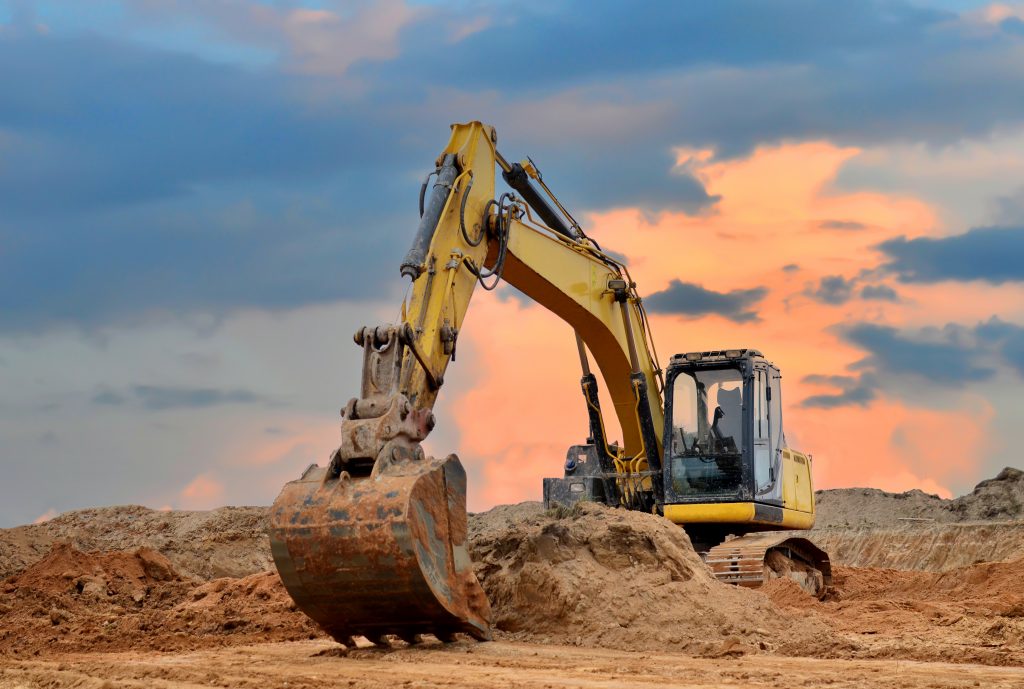
Every successful construction project in the Dallas–Fort Worth area starts the same way — with proper site preparation. Before a foundation gets poured, before a pool shell goes in, before a single wall goes up, the ground beneath it all has to be set up correctly. Get it right and every trade that follows works off a solid, stable, construction-ready base. Get it wrong and you're looking at drainage problems, foundation failures, rework costs, and delays that compound across the entire build.
Site preparation in DFW is more involved than most homeowners and builders realize going in. North Texas soil — with its expansive clay, variable composition, and seasonal movement — doesn't cooperate with shortcuts. This guide breaks down exactly what professional site preparation includes, why each step matters, what to expect on the job site, and how to choose the right site prep contractor in North Texas.
Site preparation — also called site prep — is the process of transforming a piece of raw or undeveloped land into a stable, level, construction-ready surface. It is the foundational step that every other phase of construction depends on.
Done right, site preparation in DFW accomplishes four things:
Site prep isn't glamorous. It doesn't make the Instagram post. But it determines whether your foundation holds, whether water drains correctly, whether your pool sits level ten years from now, and whether every contractor who follows you on that job site is set up to succeed or fighting problems you created for them.
Professional site preparation in North Texas isn't a single task — it's a coordinated sequence of steps. Here's what a complete site prep scope typically includes:
Land ClearingThe first step is removing everything from the build area that doesn't belong there — trees, brush, roots, stumps, debris, and any existing structures that need to come down. In DFW, large oak and cedar trees are common on residential lots, and their root systems need to be fully addressed. Stumps left in place or roots left to decay beneath a foundation create settling problems later. Clearing costs in Texas typically range from $1,500 to $5,000 depending on lot size and vegetation density.
Grading and LevelingOnce the surface is cleared, the land has to be shaped. Grading establishes the correct elevations and slopes across the site — not just to create a flat pad for construction, but to direct water away from structures and prevent pooling. In DFW, where clay soil can hold water and create hydrostatic pressure issues against foundations and pool shells, proper drainage grading isn't optional. Every grade is verified with laser equipment by a professional site prep crew. Standard grading costs in Texas fall between $950 and $2,500 for residential scopes, with more complex sites pushing higher.
ExcavationSite preparation often involves excavation beyond simple grading — cutting down high spots, filling low areas, and digging out the footprint for foundations, pads, pools, or utility trenches. In North Texas, excavation has to account for the expansive clay soil conditions that affect how the ground behaves before, during, and after construction. This is where precision matters. An inaccurate cut or fill creates downstream problems that cost far more to fix than they would have to prevent.
Soil CompactionThis is the most overlooked step in site preparation — and the one that causes the most problems when it's done wrong. After grading and fill operations, the soil has to be compacted to engineered specifications. Loose, uncompacted fill will settle over time. In DFW clay soil, that settling is unpredictable and can be severe. Professional site prep in North Texas includes compaction in properly engineered lifts — layers of material that are each compacted before the next is added — so the final surface performs the way it's supposed to. Budget $1,000 to $3,000 for compaction depending on project scope.
Drainage and Water ManagementWater management is a critical component of site preparation in DFW. North Texas gets storm events that can overwhelm an improperly graded site. Professional site prep addresses positive drainage — making sure water flows away from structures — and may include swales, drainage channels, or erosion control measures depending on site conditions and local requirements.
Final Grade and Site CleanupOnce the core work is done, the site is brought to final grade — smooth, level, and ready for the next phase of construction. Excess material is hauled off, the site is cleaned up, and the next contractor walks onto a professional, organized worksite rather than a mess.
Site preparation in North Texas isn't the same as site prep in other parts of the country. The soil conditions in the Greater Dallas–Fort Worth area create specific challenges that require real local experience to manage correctly.
Expansive Black ClayThe dominant soil type across most of DFW is expansive black clay — often called "black gumbo." This soil swells when it gets wet and shrinks when it dries out. That constant movement creates problems for any structure that isn't sitting on properly prepared ground. Site preparation in DFW has to account for this behavior at every step — from grading and drainage to compaction specifications.
Caliche and RockIn parts of the Metroplex — including areas of Grapevine, Keller, and Southlake — contractors encounter caliche or limestone during site prep and excavation. Hitting rock mid-project changes the scope and requires the right equipment and decision-making to handle without stalling the build.
Variable Soil CompositionIn the fast-growing suburban corridors north and west of Dallas — Frisco, Celina, Prosper, Argyle — soil composition shifts between clay and sandy loam within short distances. A site prep crew that doesn't know this terrain will treat every site the same. One that does will adjust compaction methods, drainage grades, and excavation approaches based on what's actually in the ground.
Choosing a site preparation contractor in DFW with real experience in North Texas soil isn't just a preference — it's a project risk decision.
Site prep in North Texas serves a wide range of projects and clients:
Homeowners Building New ConstructionIf you're building a custom home on a lot in DFW, site preparation is the first phase of your entire project. A properly prepped lot — cleared, graded, compacted, and drained — sets every trade that follows up for success. A poorly prepped lot creates foundation problems that show up months or years after move-in.
Pool Builders and ContractorsPool excavation is always preceded by site prep work. The area around the pool shell needs to be cleared and properly graded before the excavation begins, and the surrounding site needs to be set up to drain correctly after the pool is in. Pacesetter works alongside pool builders across DFW as both the site prep and excavation contractor — keeping the scope in one set of hands and the communication clean.
General ContractorsGCs managing residential additions, outbuildings, accessory structures, and commercial light construction rely on professional site prep to keep their build schedules intact. A site prep crew that shows up on time, executes accurately, and doesn't create problems for the next trade is the kind of sub every GC wants in their rotation.
Developers and LandownersRaw land acquisition is only the first step. Before a development project can move forward, the site has to be assessed, cleared, graded, and prepared to receive infrastructure. Pacesetter handles site preparation for residential development projects across the Greater DFW area.
1. Know what's underground before the first machine movesCall 811 to have public utilities marked before any site prep begins. Identify private lines — irrigation, gas to outbuildings, invisible fence — separately. Hitting an unmarked line mid-project is expensive and dangerous.
2. Drainage planning isn't a finishing touch — it's part of the designWhere water goes after a rain event should be part of the site prep plan, not an afterthought. Make sure your site prep contractor is grading for drainage, not just for appearance.
3. Don't confuse cheap with efficientThe lowest site prep bid in DFW almost never represents the best value. Under-compacted fill, improper grading, and missed drainage requirements create problems that cost far more to fix than the money you saved upfront. Ask for specifics on compaction methods, equipment, and how elevations are verified.
4. Sequence mattersSite prep has to be coordinated with the rest of your build timeline. A site prepped too early can be disrupted by weather or subsequent work. A crew that communicates clearly about scheduling — and shows up when they say they will — keeps your overall project on track.
5. Get an itemized quoteA professional site prep contractor in DFW will give you a clear, itemized quote that breaks down what's included — clearing, grading, excavation, compaction, drainage, and final grade. Vague lump-sum bids with no scope detail are a red flag.
When you're vetting site prep contractors in North Texas, here are the questions worth asking:
A contractor who answers these questions clearly and specifically — without vague answers or deflection — is one worth hiring.
At Pacesetter Excavation, professional site preparation in DFW is part of what we've been built to deliver. Founder Connor Hardy started Pacesetter after watching too many job sites suffer from the downstream effects of sloppy, unreliable groundwork. Every site prep project we take on gets the same treatment: laser-checked grades, properly compacted lifts, clean job sites, and a final handoff that leaves the next trade walking onto a site that's ready to work.
We serve homeowners, pool builders, general contractors, and developers throughout the Greater Dallas–Fort Worth area — including Dallas, Frisco, Prosper, McKinney, Celina, Argyle, Southlake, and surrounding North Texas communities.
Same-day responses. Itemized quotes. Professional execution. No mess left behind.

Ready to get your site prepped and your project moving?
Request your free quote from Pacesetter Excavation — DFW's trusted site preparation contractor.