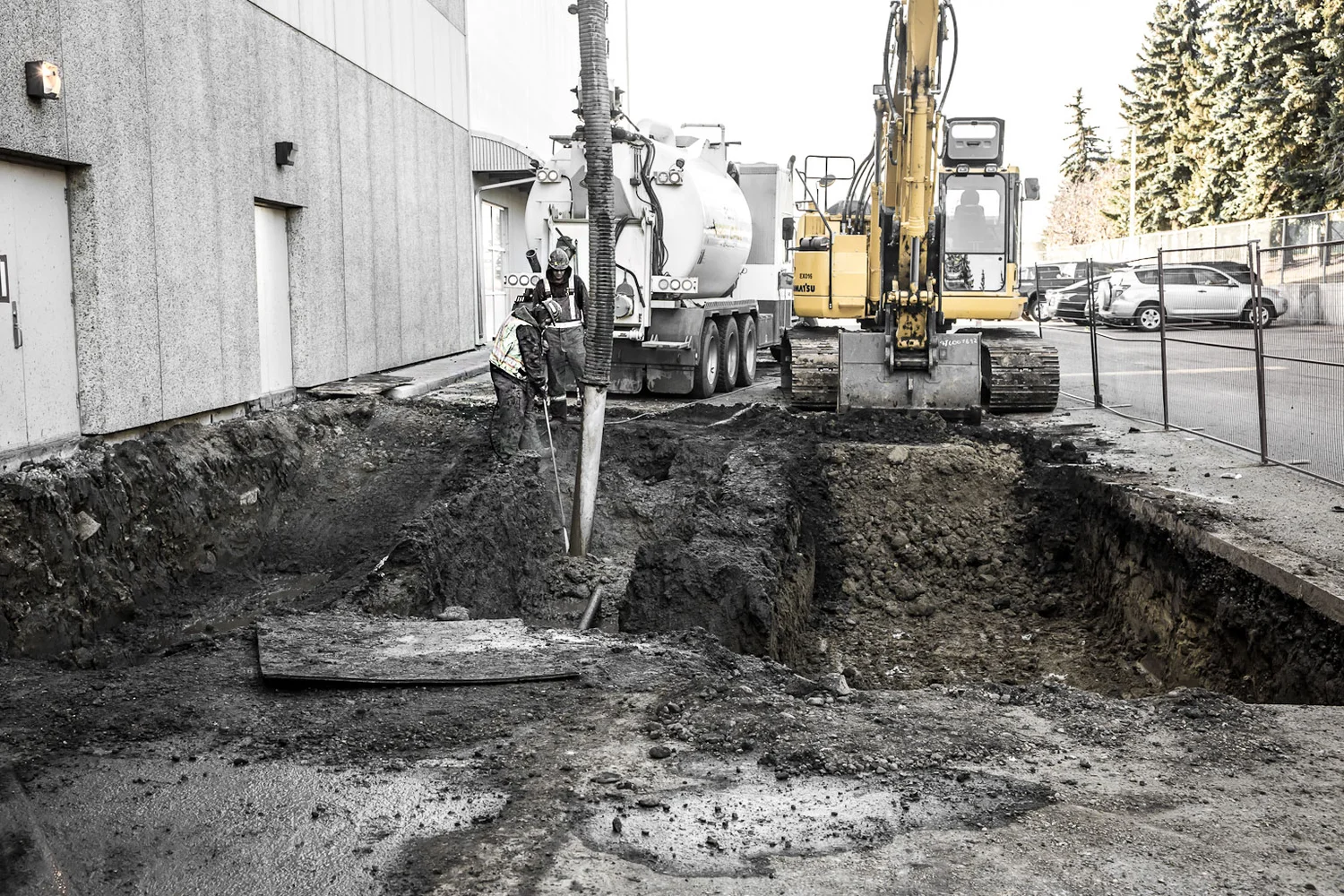
Excavation may look straightforward, but when it’s done incorrectly, the consequences can be serious. Many long-term construction problems trace back to poor excavation practices. Understanding what happens when excavation is done incorrectly helps homeowners and builders avoid costly mistakes and protect their projects from failure.
Proper excavation isn’t just about digging — it’s about planning, precision, and long-term performance.
One of the most common problems caused by poor excavation is uneven settling. When soil isn’t properly evaluated or compacted, the ground can shift over time.
This can lead to:
Professional excavation focuses on soil stability to prevent settling before construction begins.
Incorrect excavation often disrupts natural water flow. Without proper grading and drainage planning, water can collect around structures.
Poor excavation can cause:
Proper excavation includes grading and drainage considerations to protect the site.
When excavation depth or layout is inaccurate, structures may experience uneven load distribution. Over time, this stress can lead to:
Precision excavation ensures structures are built on a stable, even base.
Swimming pools are especially vulnerable to excavation errors. Poor excavation can result in:
Professional pool excavation focuses on accuracy and soil support to protect the pool long term.
Fixing problems caused by poor excavation often requires additional demolition and excavation. These repairs are usually far more expensive than doing the excavation correctly the first time.
Correcting excavation mistakes can involve:
Avoiding poor excavation saves money in the long run.
Most excavation failures happen due to:
Professional excavation contractors follow structured processes designed to prevent these issues.
Professional excavation includes:
This approach ensures the site supports the project long term.

If you’re planning a pool or construction project and want excavation handled with precision and care, Pacesetter Excavation provides professional excavation services designed to prevent costly mistakes. Partner with Pacesetter Excavation to ensure your project is built on a solid foundation.