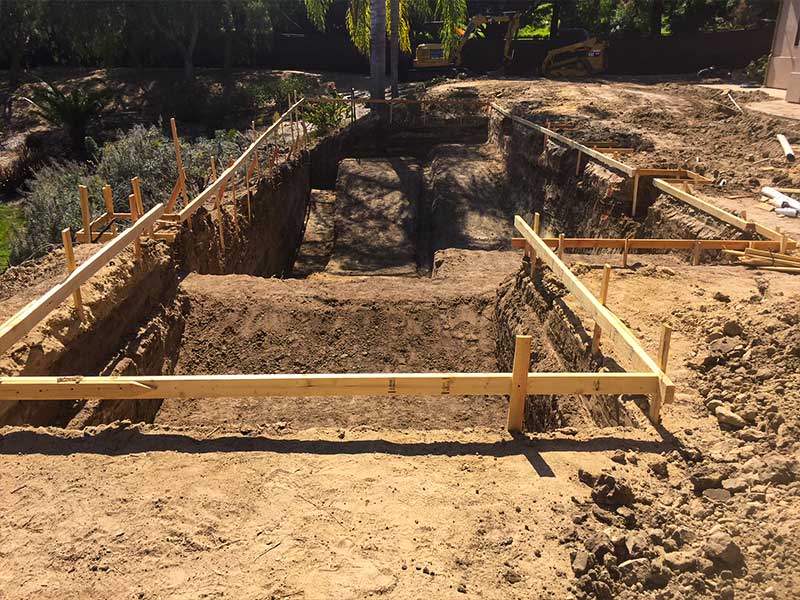
Excavation projects involve multiple moving parts, and one of the most common sources of confusion is responsibility. Homeowners, builders, and excavation contractors each play a role, and when those roles aren’t clear, projects can slow down or run into issues.
Understanding who is responsible for what during an excavation project helps ensure smooth coordination, clear communication, and successful outcomes.
The excavation contractor is responsible for preparing the site according to project plans and specifications. Their role typically includes:
Professional excavation contractors focus on accuracy, safety, and long-term performance.
Builders or general contractors oversee the overall construction process. Their responsibilities often include:
They rely on excavation contractors to complete groundwork correctly before construction begins.
Homeowners also play a role in successful excavation projects. Responsibilities may include:
Clear homeowner involvement helps prevent delays and misunderstandings.
Strong communication between all parties is essential. Clear coordination helps:
Professional excavation contractors prioritize communication to keep everyone informed.
Utility verification and safety preparation are often coordinated by the excavation contractor, but homeowners and builders may also be involved depending on the project.
Clear responsibility for utility marking helps prevent delays and damage.
Problems often arise when:
Understanding responsibilities upfront helps avoid these issues.
When everyone understands their role, excavation projects benefit from:
Clear responsibilities support smoother construction timelines.

If you’re planning a project and want excavation handled with clear communication and professional execution, Pacesetter Excavation provides expert excavation services designed to keep responsibilities aligned and projects on track. Partner with Pacesetter Excavation to move forward with confidence.