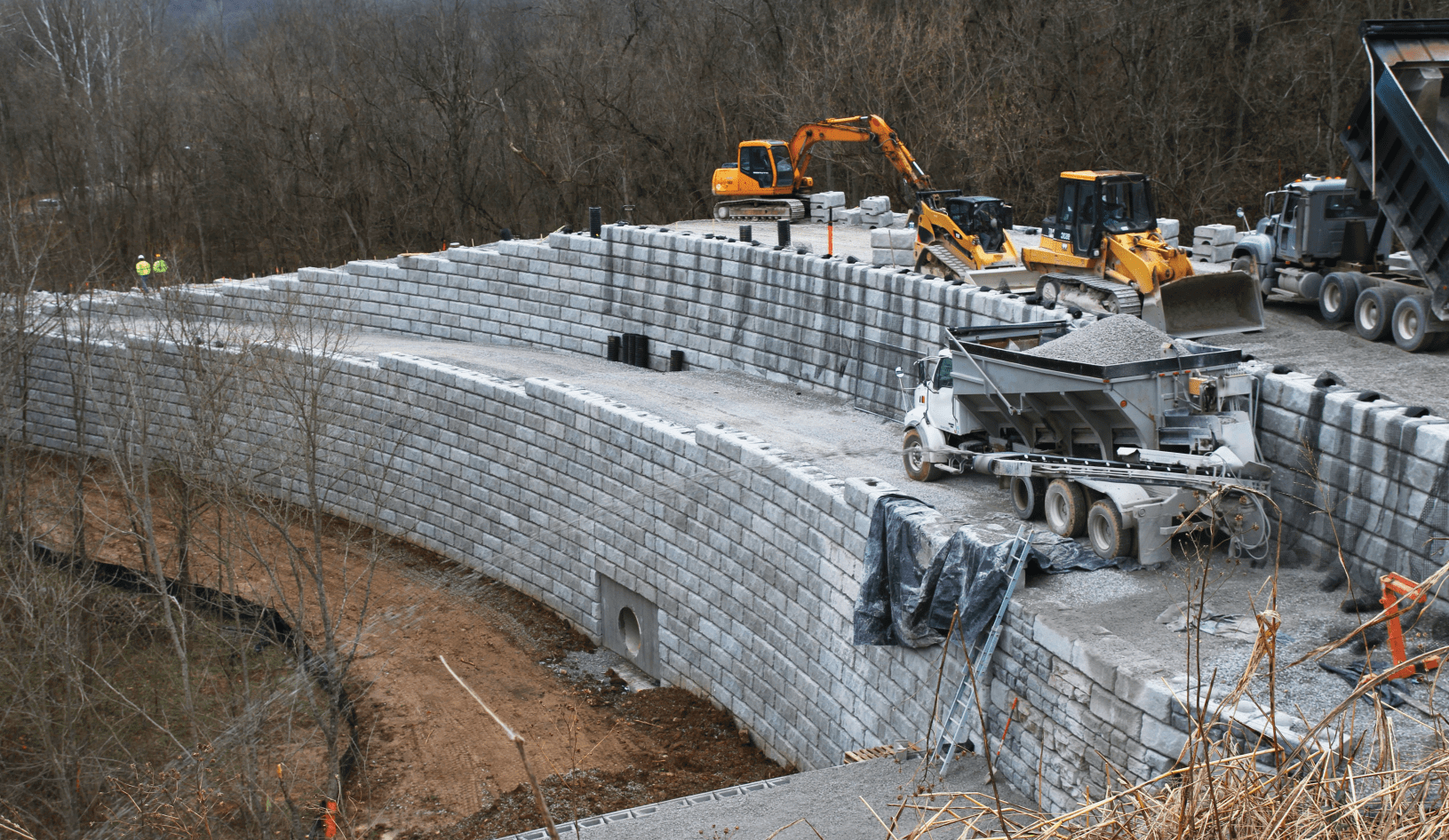
Retaining walls play a crucial role in stabilizing slopes, preventing erosion, and creating usable land on uneven properties. However, the strength of a retaining wall depends heavily on what happens before the first block or concrete panel is placed. Proper excavation for retaining wall installation is the foundation of long-term performance.
Without accurate excavation, even the strongest retaining wall materials can fail over time.
Excavation for retaining wall installation involves preparing the base and surrounding soil to support the structure. This typically includes:
Excavation for retaining wall installation must align precisely with design specifications.
A retaining wall must distribute pressure from the soil behind it. Proper excavation for retaining wall installation ensures:
An improperly excavated base can lead to leaning, cracking, or collapse.
Excavation for retaining wall installation must meet specific depth and width requirements based on:
Accurate trench dimensions are essential for structural integrity.
One of the most important aspects of excavation for retaining wall installation is drainage preparation. This may include:
Without proper drainage, water pressure can build behind the wall and cause failure.
After excavation, the soil must be stabilized and compacted properly. Professional excavation for retaining wall installation includes:
Compaction prevents long-term settlement and shifting.
Excavation for retaining wall installation is commonly required for:
Proper excavation ensures long-term wall performance in all applications.
Retaining walls are often installed to combat erosion. Excavation for retaining wall installation helps:
Correct preparation enhances the wall’s ability to prevent future erosion.
Skipping proper excavation for retaining wall installation can result in:
Professional excavation protects the long-term investment in the wall system.
You may require excavation for retaining wall installation if:
Early correction prevents larger structural issues.
The durability of any retaining wall depends on the quality of its base. Proper excavation for retaining wall installation ensures:
Strong retaining walls begin with strong groundwork.

If your property requires stable, precise, and engineered excavation for retaining wall installation, Pacesetter Excavation provides expert excavation services designed to support long-term structural stability and drainage performance. Partner with Pacesetter Excavation to prepare your retaining wall project with confidence and precision.