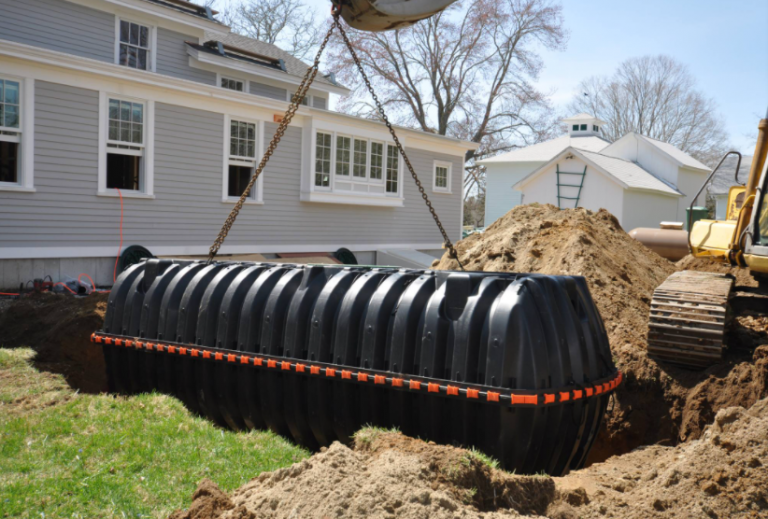
When installing a septic system, most homeowners think about the tank and drain field—but one of the most important steps happens before installation even begins: septic system excavation. The accuracy and quality of septic excavation directly impact how well the system functions for years to come.
A septic system relies entirely on proper depth, slope, soil stability, and drainage. Professional septic system excavation ensures those elements are handled correctly from the start.
Septic system excavation involves preparing the ground for the installation of:
Professional septic system excavation includes precise digging, proper trenching, soil evaluation, and backfilling to meet system requirements.
Septic systems depend on precise alignment and slope to function properly. Septic system excavation must account for:
Even small errors during septic excavation can cause long-term drainage or system failure.
Not all soil drains equally. Professional septic system excavation includes evaluating:
Understanding soil conditions ensures the septic system performs efficiently and meets local requirements.
Septic lines must maintain consistent slope to allow gravity flow. During septic system excavation, professionals calculate:
Improper slope can result in backups, poor drainage, and system malfunction.
Septic installations are subject to inspection and local regulations. Professional septic system excavation ensures:
Compliance during excavation helps avoid costly rework or failed inspections.
After installation, septic system excavation includes careful backfilling and compaction to:
Improper backfilling can cause trench collapse or pipe misalignment over time.
The drain field is one of the most important components of a septic system. Septic system excavation must ensure:
Poor drain field excavation can compromise the entire system.
Septic system repairs are expensive and disruptive. Inadequate septic excavation can lead to:
Professional septic system excavation reduces long-term risk and protects your investment.
Reliable septic system excavation services result in:
Precision at this stage ensures long-term performance.
A septic system is only as reliable as the excavation beneath it. Proper septic system excavation supports:
Strong septic systems begin with expert excavation.

If you’re installing a septic system and require precise, compliant, and reliable septic system excavation services, Pacesetter Excavation provides expert excavation solutions designed to protect your property and ensure long-term performance. Partner with Pacesetter Excavation to handle your septic excavation with confidence.