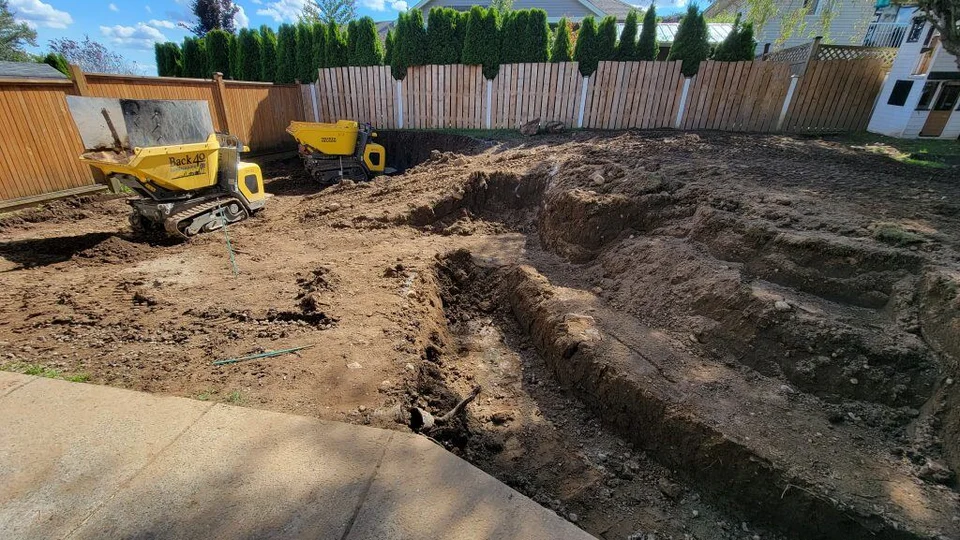
Homeowners often talk to friends or neighbors who’ve had very different excavation experiences. One project moves quickly and quietly, while another is full of delays, confusion, and frustration. The difference usually isn’t luck—it’s how the excavation was planned and executed. Understanding why some excavation projects go smoothly and others don’t helps homeowners make better choices before work begins.
Smooth projects are built on intentional decisions, not chance.
Smooth excavation projects always begin with thorough planning. This includes:
Problematic projects often skip or rush this phase, leading to surprises once digging begins.
Experienced excavation contractors know what to look for before problems appear. They:
Inexperienced crews often react to problems instead of preventing them.
One major reason projects go smoothly is communication. Smooth excavation projects involve:
Projects with poor communication tend to feel chaotic and stressful.
Excavation projects that struggle often overlook soil and drainage planning. This leads to:
Smooth projects address these factors early, preventing delays and long-term problems.
Precise excavation allows construction to move forward without corrections. When excavation is inaccurate, builders must pause, adjust, or redo work.
Accuracy early creates momentum later.
Smooth excavation sites appear intentional, even during disruption. Signs include:
Disorganized sites often signal rushed or unplanned work.
Unexpected conditions can arise on any site. Smooth projects handle surprises calmly through:
Problematic projects often feel reactive and rushed.
When excavation goes well, homeowners notice:
Stress is often the first sign something isn’t going right.

If you’re planning a project and want excavation handled with planning, precision, and clear communication, Pacesetter Excavation provides professional excavation services designed to keep projects running smoothly from start to finish. Partner with Pacesetter Excavation to build with confidence from the ground up.