Heavy rainfall can quickly overwhelm properties without proper drainage systems. That’s where storm drain excavation becomes critical. Whether for residential developments, commercial properties, or site preparation projects, storm drain excavation ensures excess water is directed safely away from structures and high-traffic areas.
Without proper storm drain excavation, water can pool, erode soil, and compromise foundations over time.
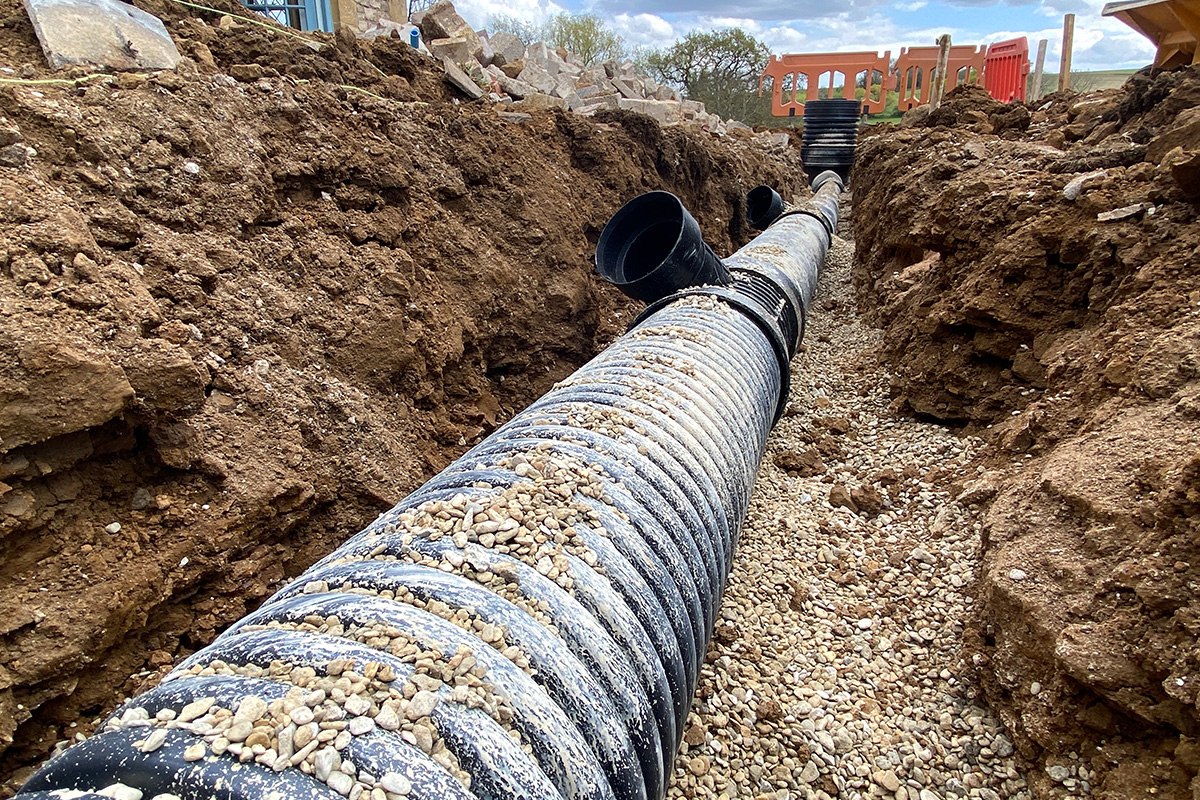
Storm drain excavation involves digging and preparing trenches for underground drainage systems designed to handle rainwater runoff. This process typically includes:
Storm drain excavation ensures that rainwater moves efficiently through designated drainage channels.
Properties without adequate drainage are vulnerable to:
Professional storm drain excavation prevents water from accumulating where it shouldn’t.
Storm drainage systems rely on gravity. During storm drain excavation, professionals calculate:
Improper slope can cause water to stagnate or flow inefficiently, leading to long-term drainage problems.
Water pooling near foundations increases soil pressure and moisture exposure. Storm drain excavation directs runoff away from structures, reducing:
Protecting foundations begins with proper drainage infrastructure.
Uncontrolled runoff can carve gullies and wash away soil. Storm drain excavation helps:
By managing water flow underground, erosion risks are significantly reduced.
Commercial sites often have large paved areas that generate heavy runoff. Storm drain excavation supports:
Proper excavation ensures commercial properties meet drainage requirements and remain functional during storms.
After pipe installation, storm drain excavation includes careful backfilling to:
Improper backfill can lead to surface depressions or pipe misalignment.
Precision equipment and experienced operators are essential for:
Professional storm drain excavation ensures accuracy and long-term reliability.
You may benefit from storm drain excavation services if you notice:
Addressing drainage early prevents costly structural damage.
Storm drainage systems are designed to last for decades. Proper storm drain excavation ensures:
The success of the system depends heavily on the quality of excavation work.

If your property requires reliable drainage solutions, Pacesetter Excavation provides expert storm drain excavation services designed to manage water flow and protect your investment long term. Partner with Pacesetter Excavation to ensure your storm drainage system is built for performance and reliability.